
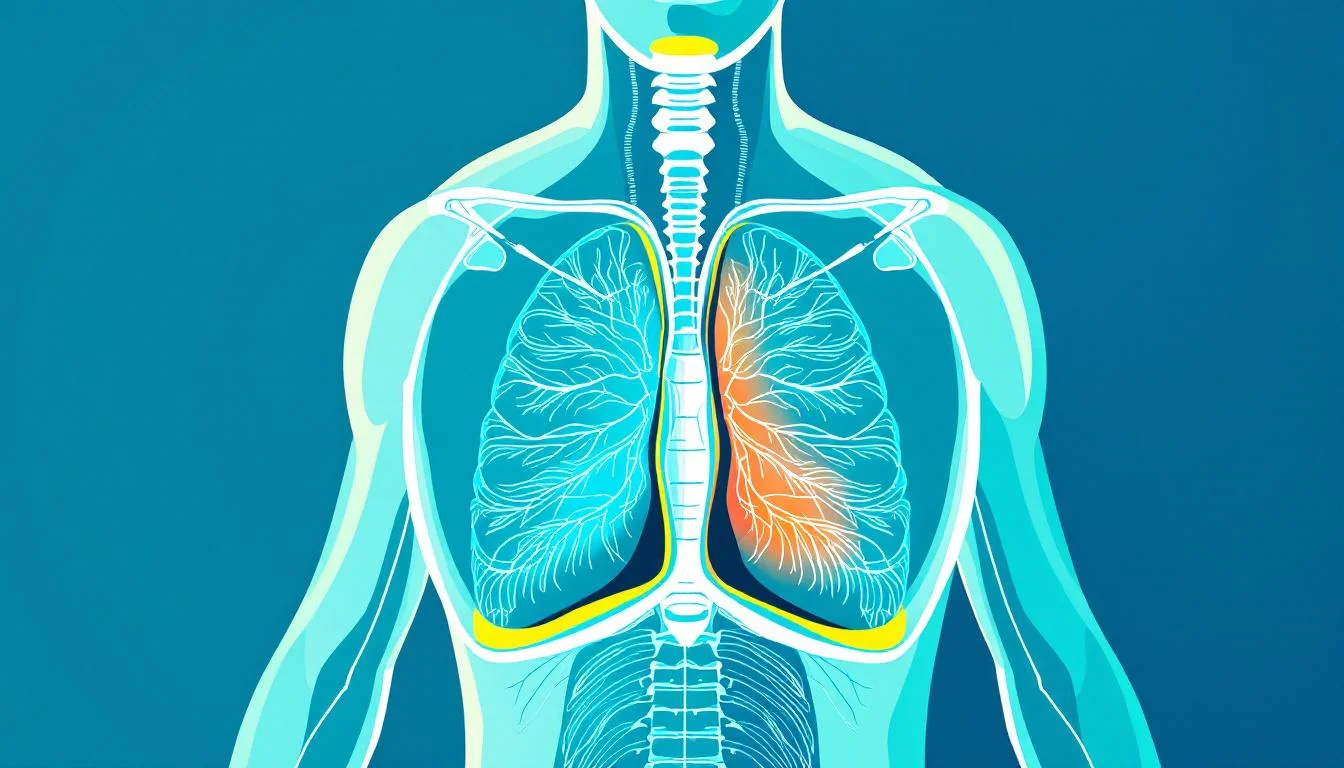
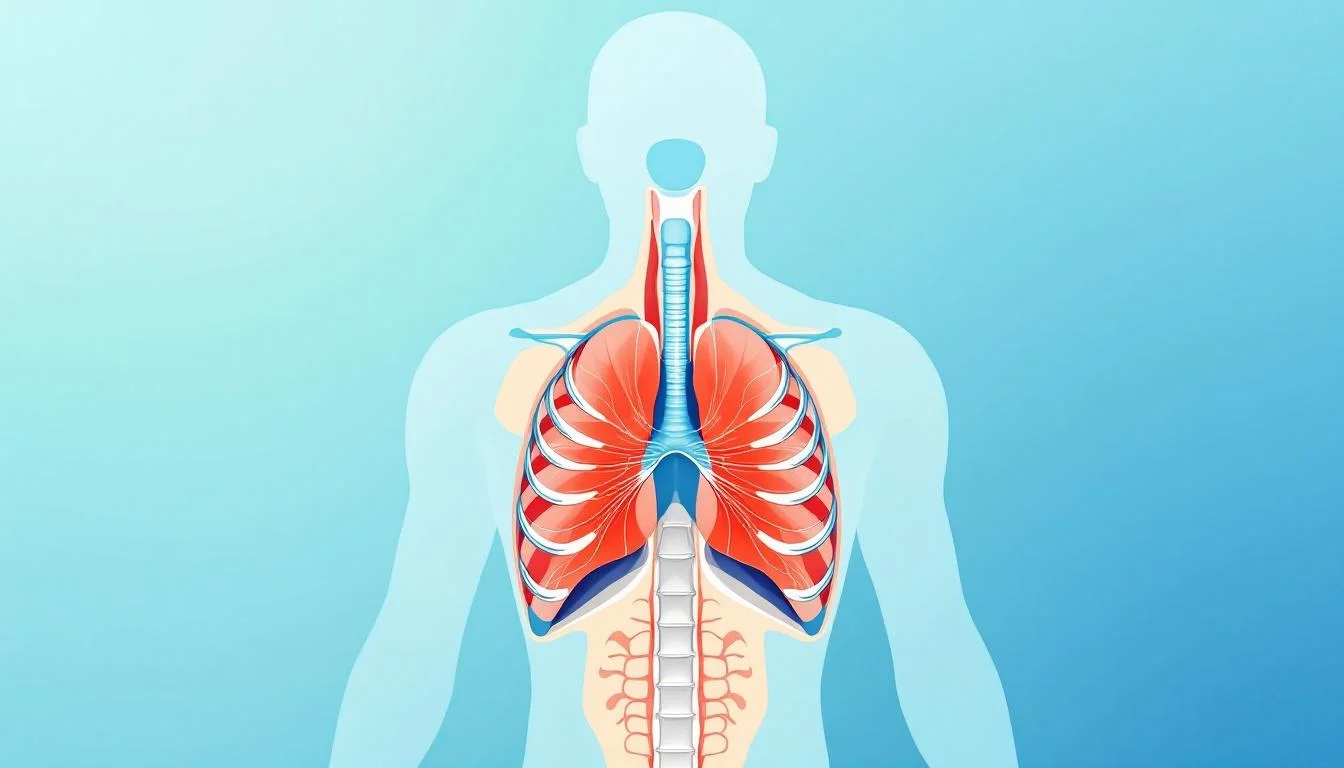
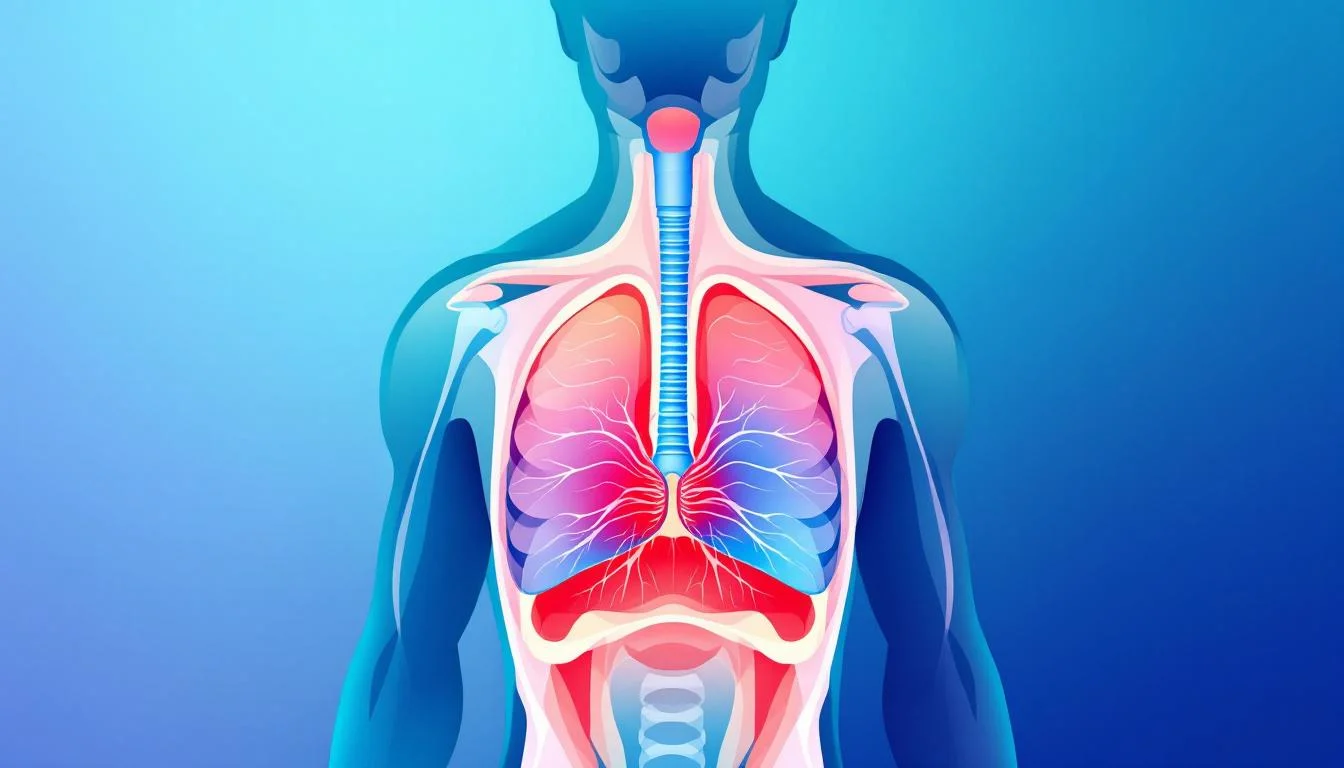
Diaphragmatic breathing — engaging the diaphragm rather than the chest muscles for breathing, producing visible belly expansion — is the anatomically correct resting breathing pattern and the foundation of effective breathwork. Chest-dominant breathing is now recognized as a significant contributor to chronic stress and anxiety.
What Does the Research Say?
The diaphragm, when contracting properly, creates negative thoracic pressure that draws air into the lower lobes of the lungs — the most densely vascularized regions. Chest-dominant breathing uses accessory muscles (scalenes, sternocleidomastoid, upper trapezius), which activate the sympathetic nervous system and maintain a state of low-grade physiological alertness. A 2017 meta-analysis in Frontiers in Psychology found diaphragmatic breathing training significantly reduced cortisol levels and improved sustained attention performance in healthy adults.
Diaphragmatic breathing is the mechanism underlying virtually all evidence-based breathing interventions including yoga pranayama, biofeedback, and cognitive behavioral therapy breathing exercises. Studies with COPD patients demonstrate improved breathing efficiency and reduced dyspnea. In healthy populations, daily practice improves HRV, reduces resting heart rate, and decreases markers of autonomic dysregulation. Physical therapy literature confirms dysfunctional breathing patterns — favoring accessory muscles over the diaphragm — are strongly associated with chronic lower back pain via core stabilization deficits.
Key Findings
- Diaphragmatic breathing is the anatomically correct default pattern — chest breathing is a learned dysfunction
- Meta-analysis confirms significant cortisol reduction from regular diaphragmatic breathing training
- Improves heart rate variability and autonomic balance within a single session
- Restoring diaphragmatic function reduces chronic lower back pain via improved core stability
Practical Takeaway
Practice lying down first: place one hand on chest, one on belly. On each inhale, only the belly hand should rise. Work toward this pattern in all positions — seated, standing, walking — over 2–4 weeks. When stressed, a single 5-breath cycle of deep diaphragmatic breathing activates the parasympathetic response within 60 seconds.